



Introduction: A Small Phrase That Became a Global Reaction
Television has always shaped language, but only a few phrases manage to break free from their scripted origins and become part of everyday conversation. One such unforgettable line is what u talkin bout willis. It started as a simple comedic response in a sitcom but gradually turned into a universal expression of confusion, disbelief, and humor.
The reason this phrase stands out is not just because of what it says, but how it feels when spoken. It carries emotion, timing, and personality all in a few words. Over time, audiences began repeating it not just as a reference to a show, but as a way to react in real life situations.
This transformation from scripted dialogue to cultural expression shows how powerful media influence can be when combined with memorable characters and perfect delivery.
The Television Origin and Early Popularity

The phrase comes from the classic sitcom Diff’rent Strokes, a show that gained popularity in the late 1970s and 1980s. The series focused on the lives of two brothers from Harlem who are adopted by a wealthy businessman. The contrast between backgrounds created both emotional depth and comedic opportunities.
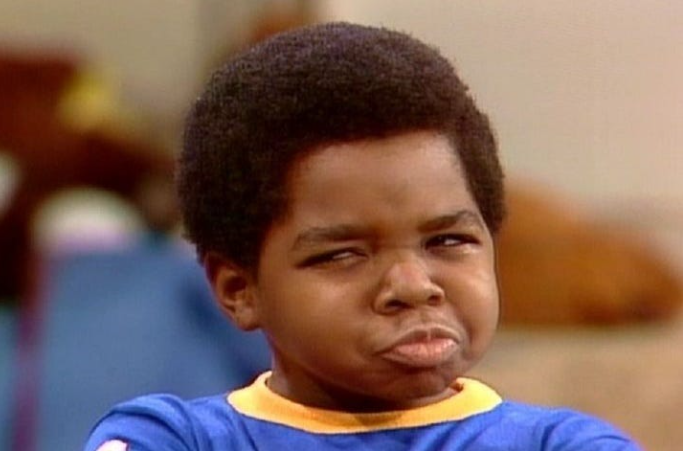
The character Arnold Jackson, played by Gary Coleman, became one of the most recognizable child characters in television history. His quick wit and expressive reactions made him stand out in nearly every scene.
It was in these moments that what u talkin bout willis emerged as his signature line, usually directed at his older brother Willis when Arnold was confused or skeptical.
The charm of the line came from its timing and innocence. It was not just a question—it was a playful challenge that audiences instantly connected with.
Cultural Rise and Emotional Connection
As Diff’rent Strokes gained popularity, viewers began repeating Arnold’s iconic line in everyday conversations. The phrase quickly moved beyond the show and entered real-life humor.
The emotional strength of what u talkin bout willis lies in its universality. Everyone experiences confusion or disbelief at some point, and this phrase became a lighthearted way to express that feeling.
Instead of responding seriously, people used it to soften misunderstandings or add humor to awkward moments. This emotional flexibility helped it survive long after the show ended.
Even today, older audiences remember it instantly, while younger audiences recognize it through memes and references.
From Sitcom Dialogue to Meme Culture Revolution
The internet played a huge role in reviving and transforming old television content. When meme culture began growing, users started digging into classic shows for humorous material. That is when what u talkin bout willis found a second life.
It became a reaction format used across forums, early social media platforms, and meme pages. People used it to respond to confusing posts, surprising news, or ironic statements.
This shift marked an important moment in digital culture. Instead of fading away, older TV content was being recycled into new forms of communication.
The phrase became a symbol of how nostalgia and humor blend together in online spaces.
Evolution in Digital Communication and Internet Humor
As social media evolved, so did the ways people express reactions. Emojis, GIFs, and short text responses became the norm. Yet, classic phrases like what u talkin bout willis continued to appear because they offer something emojis cannot—personality.
It carries tone, humor, and attitude in a way that feels human. This is why it still appears in comment sections, reaction threads, and nostalgic posts.
Even users who never watched the original show understand the meaning because internet culture has preserved its context.
Catchphrases survive online not because of their origin, but because they adapt emotionally to modern communication styles.
Modern Usage Across Social Platforms
Today, the phrase is widely used across platforms like X (Twitter), Instagram, Reddit, and TikTok. It appears in memes, captions, and humorous replies to confusing or absurd content.
In modern usage, what u talkin bout willis is less about the original characters and more about expressing playful disbelief. It works as a soft, humorous challenge rather than a serious question.
For example, when someone posts something unbelievable or exaggerated, users often reply with the phrase to add comedic effect.
This adaptability is what keeps it alive in digital spaces where trends change rapidly.
Psychological Appeal of Catchphrases in Communication
Human communication naturally gravitates toward shortcuts. Catchphrases work because they simplify emotions into repeatable expressions. Instead of explaining confusion in detail, people use familiar phrases that instantly communicate meaning.
In the case of what u talkin bout willis, the phrase triggers recognition and humor at the same time. It reduces tension in conversations and creates shared understanding between users.
There are a few psychological reasons behind its success:
- It is easy to remember
- It carries emotional tone
- It creates shared cultural memory
- It works across different contexts
These elements make it more than just a line—it becomes a communication tool.
Comparing Catchphrase Evolution Over Time
To understand how this phrase fits into broader pop culture, it helps to compare its journey with other media expressions.
| Catchphrase Type | Origin Medium | Modern Usage Style | Cultural Longevity |
|---|---|---|---|
| Sitcom catchphrases | Television shows | Memes, reactions | Very high |
| Movie quotes | Films | Social media captions | High |
| Advert slogans | Commercials | Branding references | Medium |
| Internet slang phrases | Online platforms | Daily messaging | Rapidly evolving |
This comparison shows that television-origin phrases tend to have the longest lifespan because they are emotionally rooted in storytelling.
Marketing Power and Digital Branding Influence
Marketers and content creators often use nostalgic references to connect with audiences. Familiar phrases trigger emotional recognition, which increases engagement and trust.
The phrase what u talkin bout willis has been used in various creative campaigns because it instantly grabs attention. It blends humor with familiarity, making it effective in informal advertising.
Brands that target audiences who grew up in the 80s and 90s especially benefit from such references. It creates an emotional bridge between past experiences and present content.
In SEO and content strategy, nostalgic phrases can improve dwell time and sharing behavior when used appropriately.
Highlighted Insight: Why Nostalgia Drives Engagement
Nostalgia is one of the strongest emotional triggers in digital content.
When people see familiar phrases from their childhood or earlier cultural experiences, they are more likely to engage, share, and comment.
This emotional response is a key reason why older TV phrases continue to perform well in modern digital environments.
Why the Phrase Still Works in 2026

Even decades after its original appearance, the phrase remains relevant because it is flexible. It does not depend on specific cultural references that expire quickly. Instead, it expresses a universal human reaction.
The continued use of what u talkin bout willis proves that simplicity and emotional clarity are more powerful than complexity in communication.
Younger generations discover it through memes, while older generations remember it from television. This overlap keeps it alive across age groups.
FAQs
Why is this phrase so famous?
It became famous because of its humorous delivery and repeated use in a popular sitcom character’s dialogue.
Who originally said it?
It was spoken by Arnold Jackson in Diff’rent Strokes, played by Gary Coleman.
Is it still relevant today?
Yes, it is still used in memes and casual online conversations.
What does it usually mean?
It expresses confusion, disbelief, or playful questioning in a humorous way.
Why do people still use old TV phrases?
Because they are nostalgic, easy to remember, and emotionally expressive.
Conclusion: A Small Line With a Big Cultural Legacy
The journey of this iconic expression shows how entertainment can shape language in unexpected ways. From a sitcom line to a global meme, what u talkin bout willis has proven that simplicity and emotional timing can outlast decades of cultural change.
Its continued presence in digital communication highlights the power of nostalgia, humor, and shared memory. Whether used in memes, casual chats, or nostalgic references, it remains a symbol of how television can leave a lasting imprint on everyday speech.
In a fast-changing digital world, very few phrases survive the test of time—but this one continues to thrive because it connects people through humor, recognition, and universal emotion.