



Introduction
Some phrases enter everyday life so naturally that people forget they began as lines from television. They become reactions, jokes, and shared references that connect strangers through humor. One of the most recognizable examples is what u talkin bout willis. Even decades after it first became popular, the phrase still appears in conversations, memes, social media captions, and nostalgic pop culture discussions.
Not every quote enjoys this kind of long life. Many lines become trendy for a short time and then disappear when attention moves elsewhere. Yet certain expressions remain active because they are simple, emotional, and easy to use. This famous catchphrase checks all those boxes. It is playful, expressive, and instantly understandable. When someone says something unbelievable, exaggerated, or confusing, the phrase works perfectly as a humorous response.
The lasting appeal of what u talkin bout willis also reflects how entertainment has changed. In the past, television reruns kept old shows alive. Today, the internet does the same through GIFs, reaction videos, and memes. Younger audiences who never watched the original series still use the line because its meaning remains clear and funny.
This article explores the history, meaning, popularity, internet comeback, and cultural significance of one of television’s most enduring quotes. It also explains why the phrase still matters in a world filled with fast-moving trends and endless new content.
A great catchphrase survives when it is short, emotional, memorable, and useful in real-life conversation.
The Origin of the Famous Phrase
The line became popular through the American sitcom Diff’rent Strokes, a family comedy series that originally aired in the late 1970s and 1980s. The show focused on two brothers who moved into a wealthy household after being adopted. It blended humor with social themes, family dynamics, and character-driven comedy.
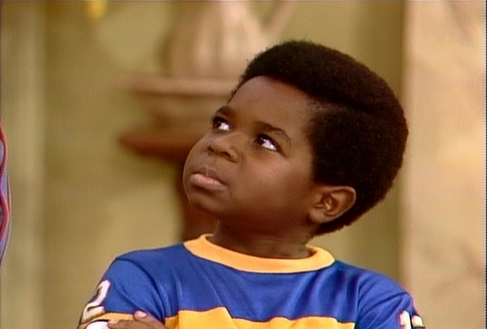
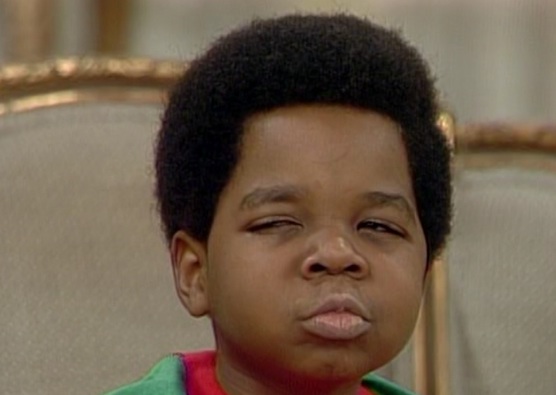
The younger brother, Arnold Jackson, was played by Gary Coleman. Coleman quickly became one of the most recognizable child stars of his generation. He had strong comedic timing, expressive reactions, and a screen presence that made audiences pay attention. Whenever Arnold heard something suspicious or unbelievable, he would respond with the now-legendary line.
The brilliance of the moment was not just in the words. It was in how Gary Coleman delivered them. His tone, expression, and timing transformed a normal sentence into something unforgettable. Viewers looked forward to hearing it because it became part of the character’s identity.
Soon, the phrase moved beyond the show itself. Fans repeated it at school, at work, and at home. What began as sitcom dialogue turned into everyday language.
Why Catchphrases Become Cultural Icons
Not every repeated TV line becomes famous. Some remain inside the show and never spread. Others explode into wider culture because they satisfy certain conditions.
They Are Easy to Remember
Long or complicated lines rarely survive. Memorable catchphrases are usually short and simple. This phrase can be recalled after hearing it only once or twice.
They Express a Universal Emotion
Disbelief is something everyone experiences. Whether someone hears gossip, a bold claim, or a strange idea, the reaction is common. That made the phrase highly useful.
They Belong to a Strong Character
A line becomes stronger when audiences connect it to a specific personality. Arnold Jackson’s confidence and humor helped the phrase stand out.
They Are Fun to Repeat
Some phrases simply sound satisfying when spoken. Rhythm matters. Tone matters. This line has both.
That combination helped what u talkin bout willis become more than a quote. It became social shorthand.
How the Phrase Entered Everyday Conversation
Many television quotes stay trapped in fan circles, but this one entered ordinary language. That happened because people found immediate real-world uses for it.
Imagine a friend says they can become rich overnight without effort. Someone else replies with the phrase. The reaction is humorous but clear. It says, “That sounds unrealistic.”
Imagine a coworker claims they finished a major project in five minutes. Same response. The line questions the statement without sounding overly serious.
This ability to soften skepticism with humor is important. Language that reduces tension often spreads faster than language that creates conflict. Instead of arguing directly, people could use a joke everyone recognized.
That made what u talkin bout willis socially useful, not just entertaining.
The Role of Gary Coleman in Its Success
No discussion of the phrase is complete without recognizing Gary Coleman’s contribution. Catchphrases are rarely powerful on words alone. Delivery gives them life.
Coleman had natural comedic instincts. He understood pause, facial expression, timing, and tone. His reactions felt authentic rather than scripted. Audiences believed Arnold’s confusion because Coleman sold the emotion so well.
Many actors can say funny lines. Fewer can make audiences remember them for decades. Coleman did exactly that.
He also represented a unique television presence at the time. Viewers found him charismatic, witty, and sharply observant. That made his skeptical reactions even funnier.
The phrase’s endurance proves how performance can elevate ordinary dialogue into pop culture history.
Why the Phrase Still Works Today
Language changes quickly, but some reactions stay timeless. This phrase still works because disbelief never goes out of style.
People still hear exaggerations.
People still encounter confusing opinions.
People still see shocking headlines.
People still enjoy playful teasing.
Whenever those moments happen, the line remains relevant.
Unlike some older slang, it does not require deep historical context. A person hearing it for the first time can usually understand the meaning immediately. That accessibility helps it cross generations.
Modern users may never have watched the original sitcom, yet they still understand the emotion behind what u talkin bout willis.
The Internet and the Second Life of Old Catchphrases
The internet has revived countless cultural references. Old songs return through trends. Movie scenes become memes. Vintage fashion comes back. Classic quotes experience the same revival.
This phrase adapted especially well to digital culture because online spaces depend on reaction content. Users respond constantly to posts, opinions, and headlines. They need quick emotional language.
A meme with this phrase can react to:
- unbelievable celebrity gossip
- fake life hacks
- strange relationship advice
- wild sports predictions
- impossible promises
- suspicious online claims
That flexibility gives the quote endless modern uses.
GIFs and reaction images also helped preserve it. Visual reactions are powerful online, and classic TV expressions often become ideal meme material.
Comparison Table: Why Some Catchphrases Fade and Others Stay
| Factor | Short-Term Catchphrase | Long-Lasting Catchphrase |
|---|---|---|
| Easy to Say | Sometimes | Yes |
| Emotional Meaning | Limited | Strong |
| Everyday Usefulness | Low | High |
| Strong Character Connection | Weak | Powerful |
| Meme Potential | Moderate | High |
| Cross-Generational Appeal | Rare | Common |
| Recognizable Tone | Low | Very High |
This phrase succeeds because it performs strongly in nearly every category.
Television in the Era of Shared Culture
When the line first became popular, television had fewer channels and fewer entertainment choices than today. That meant successful shows reached enormous audiences at the same time.
Families often watched sitcoms together. Schoolchildren discussed episodes the next day. Popular lines spread quickly because millions heard them simultaneously.
Today, audiences are fragmented across platforms, apps, and streaming services. Shared moments still happen, but less often. That makes old catchphrases from mass-media eras especially powerful. They remind people of a time when entertainment felt more collective.
The popularity of what u talkin bout willis reflects that older media environment, where one phrase could unite viewers across households.
Why Younger Generations Keep Using It
Many younger people know famous quotes without knowing their source. This is common in internet culture. A phrase can survive independently from the original show, movie, or song.
Younger users continue adopting this line because it offers several advantages:
It sounds funny.
It feels retro in a cool way.
It expresses disbelief clearly.
It works in text conversations.
It adds personality to reactions.
Using classic references can also feel creative. Instead of saying “No way,” users borrow something more memorable.
That keeps what u talkin bout willis active in modern communication.
The Psychology of Memorable Phrases
Why do some expressions stay in memory for decades? Psychology offers a few answers.
Repetition
Repeated exposure strengthens recall. Viewers heard the line multiple times.
Emotion
Humor improves memory. Funny moments stick longer than neutral ones.
Identity
People remember lines attached to recognizable characters.
Rhythm
Sound patterns matter. Certain phrases are naturally catchy.
This quote combines all four. That makes it unusually durable compared with ordinary dialogue.
Nostalgia and Emotional Memory
Nostalgia is one reason classic pop culture resurfaces so often. People enjoy reminders of earlier life stages, especially entertainment linked to comfort and family routines.
For many older viewers, the phrase recalls evenings watching sitcoms, laughing with relatives, or growing up in a different media era.
For younger audiences, nostalgia can work differently. They may feel attracted to cultural artifacts from before their time because older styles often seem charming, authentic, or distinctive.
That double-layered nostalgia helps preserve what u talkin bout willis across age groups.
How Brands Use Familiar Catchphrases

Marketers understand that recognizable phrases create instant attention. A known line can trigger emotion faster than an original slogan.
Brands sometimes reference classic TV culture because it offers:
- immediate recognition
- humor
- trust through familiarity
- emotional warmth
- shareability online
However, success depends on using references naturally. Forced nostalgia often feels artificial. Authentic humor works better.
The continued recognition of this phrase shows why marketers value memorable cultural shorthand.
The Phrase as Social Communication
Some language exists mainly to share information. Other language exists to manage relationships. This catchphrase does both.
If someone says something questionable, the phrase challenges the idea. But because it is playful, it often avoids unnecessary tension.
That makes it socially efficient. It communicates doubt without harshness.
In friendships, this matters. Humor often softens criticism. The phrase says, “I’m not convinced,” while keeping the mood light.
That balance helps explain why it lasted beyond television.
How It Appears on Social Media Today
The quote still surfaces in many modern spaces:
Comment Sections
Users respond to unbelievable claims or dramatic stories.
Sports Discussions
Fans use it when predictions go wrong or shocking trades happen.
Group Chats
Friends use it for teasing or reacting to exaggerated stories.
Meme Pages
Creators use old pop culture references for humor.
Nostalgia Posts
Accounts focused on retro television often revisit famous lines.
This continued circulation keeps the phrase visible for new audiences.
What Content Creators Can Learn From It
Anyone creating videos, blogs, products, or entertainment can learn from famous catchphrases.
Keep It Simple
Complex messages are harder to repeat.
Use Emotion
People remember feelings more than wording.
Create Reusable Language
The best lines fit many situations.
Build Character Identity
Words become stronger when linked to a clear personality.
Encourage Sharing
If audiences enjoy repeating something, they become marketers for it.
The long life of what u talkin bout willis demonstrates all of these principles.
Does It Still Matter in 2026?
Yes, but not in the same way it mattered decades ago.
Originally, it was a current television catchphrase. Today, it functions as a cultural reference. It signals humor, nostalgia, and skepticism all at once.
Modern relevance does not always mean dominating television. Sometimes it means continuing to appear in search trends, memes, casual conversation, and pop culture lists.
By that standard, the phrase remains highly relevant.
It has moved from entertainment trend to language artifact—something recognized across generations.
The Difference Between a Quote and a Legacy
Many lines become popular. Few become legacy phrases.
A quote is repeated temporarily.
A legacy phrase enters common memory.
This line achieved legacy status because it escaped the limits of its original show. It now belongs to a larger cultural vocabulary.
That transformation is rare. It requires timing, talent, usefulness, and luck.
Phrase Type: TV Catchphrase
Original Show: Diff’rent Strokes
Character: Arnold Jackson
Actor: Gary Coleman
Meaning: Disbelief or confusion
Modern Use: Memes, reactions, nostalgic humor
Frequently Asked Questions
What does the phrase mean?
It usually expresses disbelief, confusion, or skepticism toward something someone just said.
Where did it come from?
It became famous through the sitcom Diff’rent Strokes and Gary Coleman’s character Arnold Jackson.
Why is it still popular?
Because it is short, funny, easy to understand, and useful in many situations.
Do young people still use it?
Yes. Many discover it through memes, clips, and social media rather than the original show.
Is it rude to say?
Usually no. It is commonly used in a playful, humorous tone.
Why do people search for it today?
People search to learn the meaning, source, history, or to find GIFs and memes.
Conclusion
Some phrases are temporary entertainment trends. Others become permanent parts of everyday culture. what u talkin bout willis has survived because it combines humor, personality, and universal meaning in one memorable line.
Its success began with Gary Coleman’s brilliant delivery, but its long life comes from usefulness. People still need funny ways to express disbelief, question bold claims, and react to surprising moments. That keeps the phrase fresh even decades later.
For creators, marketers, and communicators, the lesson is clear: memorable language does not need to be complicated. It needs to be emotional, simple, and easy to repeat. For everyone else, it remains what it has always been—a timeless, playful response when something sounds just a little too unbelievable.