



Introduction
Language changes constantly, but some phrases manage to break free from time. They continue to appear in conversations, online comments, memes, and popular culture long after their original moment has passed. One of the most enduring examples is what u talkin bout willis. Even people who have never seen the television show where it began often recognize the phrase instantly.
That kind of staying power is rare. Most trends disappear quickly, especially in the digital age where new jokes and expressions arrive daily. Yet this phrase continues to thrive because it captures something universal. It expresses confusion, disbelief, amusement, and playful challenge in only a few words. That combination makes it perfect for both real-life conversations and online reactions.
The phrase also carries nostalgia. For older audiences, it reminds them of classic television and memorable sitcom moments. For younger users, it feels retro, funny, and endlessly reusable in meme culture. It bridges generations in a way few catchphrases can.
Today, it appears in GIF searches, comment sections, reaction memes, and casual conversations. It is quoted jokingly among friends, used in response to strange headlines, and dropped into chats when someone says something unbelievable. That flexibility has kept it relevant across decades.
A humorous phrase used to question something confusing, suspicious, exaggerated, or surprising.
This article explores the full story behind what u talkin bout willis, including its origin, why it became iconic, how it evolved online, and why it still matters in modern pop culture.
The Original Source of the Catchphrase

Every legendary phrase has a starting point, and this one began on television. The line became famous through the sitcom Diff’rent Strokes, one of the most recognizable family comedies of its era. The show focused on two brothers, Arnold and Willis Jackson, adjusting to life in a wealthy household after being adopted.
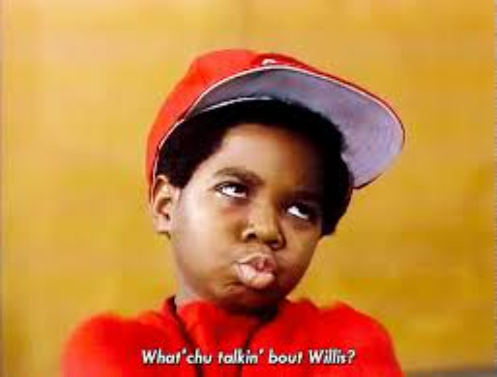
The younger brother Arnold, played by Gary Coleman, was the character most strongly connected to the phrase. Whenever Willis said something confusing, suspicious, or exaggerated, Arnold would respond with his now-famous expression. The humor came not only from the words themselves but from the delivery.
Gary Coleman’s timing made the line unforgettable. His facial expression, voice, and confident attitude turned a simple question into comedy gold. Audiences quickly began anticipating the moment, and it soon became one of the most quoted lines in television.
At the time, sitcoms often relied on recurring jokes and memorable phrases. Viewers loved familiar moments that made them feel part of the experience. This line stood out because it felt natural and funny instead of forced.
Soon, people began repeating it outside the show. It moved from television scripts into schools, offices, homes, and playground conversations. That was the first sign that it had become something larger than entertainment.
Why the Phrase Became Instantly Memorable
Some lines are funny once and forgotten. Others become part of everyday language. The difference often comes down to structure and emotion.
what u talkin bout willis became memorable for several reasons.
First, it was short and rhythmic. The words flow naturally and are easy to repeat. Catchphrases that sound good aloud often last longer than awkward ones.
Second, it expressed a common feeling. Everyone experiences moments when they hear something unbelievable and want to question it. This phrase says exactly that in a playful way.
Third, it was tied to a lovable character. People connected with Arnold, so the line inherited that emotional connection.
Fourth, repetition helped. Hearing the phrase regularly on a popular show built familiarity. Once viewers remembered it, they started using it themselves.
That combination of sound, meaning, personality, and repetition created the perfect formula for a lasting catchphrase.
How Pop Culture Turned It Into a Legend
Television can launch a phrase, but pop culture determines whether it survives. Many sitcom quotes vanish when a show ends. This one did not.
The phrase spread because people enjoyed quoting it in everyday life. It became shorthand for disbelief. Instead of saying, “I don’t think that makes sense,” people could use one playful line.
Comedy shows referenced it. Magazines quoted it. Radio hosts repeated it. Later, internet culture adopted it. Each generation found a new use for the phrase.
Once a line enters public language, it becomes independent of its source. Many people know the expression without knowing the show that created it. That is the sign of a true cultural icon.
Today, the phrase belongs to popular culture as much as to television history.
What the Phrase Means in Modern Use
Language evolves, and classic catchphrases often develop broader meanings over time. In today’s conversations, what u talkin bout willis can mean several things depending on tone and context.
| Situation | Meaning |
|---|---|
| Friend tells an unbelievable story | I don’t believe you |
| Someone says something confusing | Explain that again |
| Strange news headline appears | That sounds ridiculous |
| Playful teasing between siblings | I’m jokingly calling you out |
| Meme reaction online | Perfect response to nonsense |
Its flexibility is a major reason it remains useful.
Someone can say it jokingly with a smile, sarcastically in text, or dramatically in a meme. Few short phrases offer so many emotional shades.
Why the Internet Gave It a Second Life
The internet loves reaction phrases. Social media rewards fast, expressive responses that communicate emotion instantly. That makes old catchphrases surprisingly valuable.
what u talkin bout willis fits perfectly into modern digital communication because it quickly signals disbelief or confusion. Instead of typing a long explanation, users can drop the phrase in a comment or message.
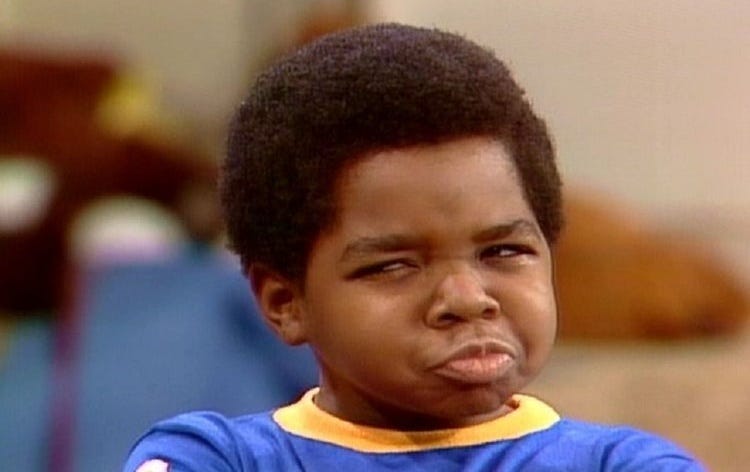
GIF culture helped even more. A moving image of the original reaction paired with the phrase delivers humor, facial expression, and nostalgia at once. It becomes stronger than plain text.
Platforms where the phrase thrives include:
- Group chats
- Comment sections
- Meme pages
- Discussion forums
- Social media replies
- Video reaction threads
Each time someone uses it online, the phrase reaches new audiences who may never have known its origin.
Why Younger Generations Still Use It
Many cultural references remain locked to the era that created them. This one escaped that limit.
Younger users often discover the phrase through memes rather than television. To them, it feels fresh because it functions as a reaction tool. They do not need historical context to understand the joke.
There are several reasons younger audiences keep using it.
It Sounds Funny
The phrase has a playful rhythm that makes it enjoyable to say or type.
It Feels Retro
Older references often feel cool again when rediscovered online.
It Works Instantly
Modern communication values quick emotional reactions.
It Connects People
Shared jokes create community, even across generations.
Because of these factors, the phrase continues renewing itself.
The Power of Nostalgia in Communication
Nostalgia is one of the strongest forces in media. People enjoy reconnecting with entertainment that reminds them of earlier stages of life.
For older users, hearing the phrase may bring back memories of family television nights, classic sitcoms, or childhood laughter. For younger audiences, it offers a glimpse into pop culture history.
That dual appeal is powerful. A phrase that satisfies both memory and novelty can survive far longer than expected.
Brands and creators understand this. They often reuse older references because audiences respond emotionally to familiar material. Recognition creates comfort.
Still, not every nostalgic phrase works today. This one succeeds because it is not only familiar—it is still useful.
How It Became a Meme Favorite
Meme culture depends on emotional shorthand. A successful meme reaction instantly communicates how someone feels.
This phrase became meme-friendly because it naturally expresses:
- Shock
- Confusion
- Suspicion
- Sarcasm
- Humor
- Playful judgment
That makes it perfect for absurd news stories, exaggerated personal claims, weird online debates, or surprising announcements.
For example, if someone posts, “I made one million dollars overnight,” many users might respond with the phrase as a joke.
Memes thrive when audiences immediately understand the reaction. This catchphrase requires no explanation.
Why Catchphrases Matter in Everyday Speech
Some people dismiss catchphrases as trivial, but they play an important role in communication.
They save time. A known phrase can replace a longer sentence.
They add personality. Saying something playful sounds warmer than blunt disagreement.
They build connection. Shared references make conversations feel social.
They create humor. Familiar lines often lighten serious or awkward moments.
what u talkin bout willis does all of these things. It questions someone while keeping the mood friendly.
That is why it continues appearing in real conversations, not just online jokes.
Examples of Modern Usage
Imagine these common situations:
Your friend says they finished a week of work in one hour. You laugh and reply with the phrase.
A sibling blames the dog for eating the cake. Perfect moment.
Someone posts a wild rumor online. The comment section fills with it.
A coworker claims they never need coffee. Suspicious.
These everyday moments prove the phrase still solves communication needs.
The Psychology Behind Why It Sticks
Why do certain expressions remain in memory for decades?
Repetition
When audiences hear something repeatedly, recall becomes automatic.
Emotion
Humor and surprise create stronger memory than neutral language.
Identity
People enjoy using phrases that help them feel witty or socially connected.
Simplicity
Short lines are easier to remember and reuse.
This catchphrase combines all four elements, making it unusually durable.
Comparing It to Other Famous Catchphrases
Not every famous line survives across generations. Some rely too heavily on their original context. Others are trendy but shallow.
| Catchphrase Type | Lifespan |
|---|---|
| Trend slang | Often short |
| TV reference with no practical use | Moderate |
| Strong reaction phrase | Long |
| Meme phrase tied to one trend | Short to medium |
| Nostalgic reaction phrase with flexibility | Very long |
This phrase falls into the strongest category because it remains functional.
Why Brands Sometimes Use It
Marketers often borrow famous phrases because recognition captures attention quickly.
Used carefully, this can create:
- Higher engagement
- More shares
- Immediate humor
- Nostalgic appeal
Used poorly, it feels forced or outdated.
The lesson is simple: cultural references work best when natural and relevant. The phrase should support the message, not replace creativity.
How Social Media Keeps It Alive
Before the internet, phrases spread slowly through conversation and television reruns. Now they can resurface instantly.
One viral tweet, one trending meme, or one celebrity reference can revive an older phrase for millions of users overnight.
That means classic lines never fully disappear anymore. They remain searchable, shareable, and ready for reuse.
what u talkin bout willis benefits from this new media environment. It no longer depends on reruns or memory. It lives permanently in digital culture.
Common Misunderstandings About the Phrase
Only older people understand it
False. Many younger users know it from memes.
It is outdated
If people still use it regularly online, it remains culturally active.
It only means confusion
It can also signal sarcasm, disbelief, teasing, or surprise.
You must know the TV show
Knowing the source helps, but is not required.
Can the Phrase Ever Fade Away?
Everything in culture eventually changes, but some phrases become evergreen. They may decline temporarily, then return through nostalgia or remix culture.
This phrase has already survived multiple eras:
- Original TV popularity
- Everyday speech era
- Early internet era
- Meme era
- Social media era
That track record suggests long-term staying power.
As long as people need humorous disbelief, the phrase will remain useful.
Value of the Keyword Today
Search interest in famous phrases often comes from multiple user intents:
- Looking for the meaning
- Searching meme templates
- Finding GIF reactions
- Learning the origin
- Exploring TV nostalgia
- Creating social captions
Because the keyword serves entertainment, history, and reaction use, it continues attracting attention.
That makes it valuable for content creators, bloggers, and entertainment websites.
FAQs
What does what u talkin bout willis mean?
It is a humorous way to question something confusing, exaggerated, or unbelievable.
Where did the phrase come from?
It became famous through the sitcom Diff’rent Strokes.
Why is it still popular today?
Because it works perfectly as a reaction phrase in chats, memes, and comments.
Do younger people know it?
Yes. Many discover it through internet culture.
Is it rude?
Usually not when used playfully. Tone matters.
Why do people search it online?
Many want GIFs, memes, meaning, or nostalgia content.
Began as a sitcom catchphrase
Became famous through memorable delivery
Evolved into a modern reaction meme
Used across generations
Still valuable because it communicates disbelief quickly
Conclusion
Few phrases survive long enough to become part of multiple generations. what u talkin bout willis has done exactly that. It started as a television moment, transformed into everyday speech, and now thrives in digital culture.
Its lasting appeal comes from simplicity, humor, and usefulness. People will always need ways to react when something sounds strange, exaggerated, or confusing. This phrase delivers that reaction instantly while keeping the tone playful.
Whether used in a meme, a group chat, or a joke with friends, it remains one of pop culture’s most effective expressions. That is why it still matters today—and why it will likely continue appearing for years to come.