



Introduction
Few television lines have managed to escape the boundaries of their original shows and become part of everyday conversation. Some quotes remain tied to a specific character or scene, while others evolve into something much bigger. One of the best examples of this phenomenon is what u talkin bout willis. Even people who have never watched the show it came from often recognize the phrase, understand its meaning, or smile when they hear it used in a joke.
That level of cultural staying power is rare. Many famous TV lines disappear after a few years, but this one has continued to live on through decades of conversation, comedy, memes, and nostalgia. It appears in social media captions, reaction posts, comedy sketches, and casual chats between friends. The phrase has become a universal expression of disbelief and playful confusion.
In this article, we will take a deeper look at how this famous line started, why it became such a major part of pop culture, and why people still repeat it today. We will also examine the role nostalgia plays in keeping classic entertainment alive in the modern digital world.
The Original Roots of the Phrase

To understand why this quote became so famous, it helps to know where it began. The phrase is strongly associated with the classic sitcom Diff’rent Strokes, a show that became widely popular during the late 1970s and 1980s. The sitcom followed the lives of two brothers who were adopted into a wealthy family, blending humor with heartfelt lessons and social commentary.
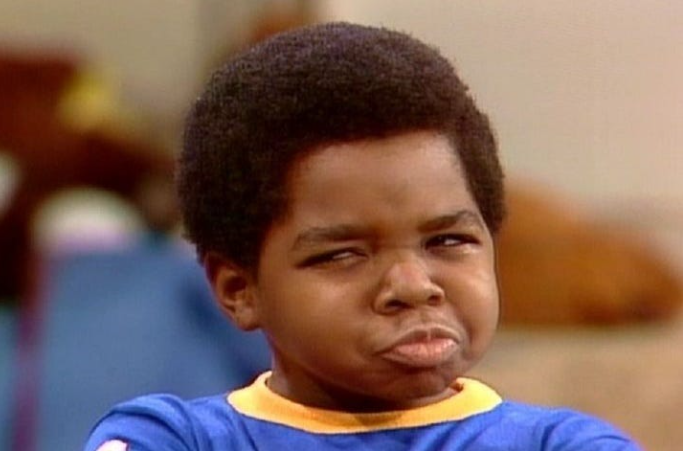
The younger brother, Arnold Jackson, became one of the most recognizable child characters in television history. He was played by Gary Coleman, whose natural charisma and expressive delivery made him a fan favorite. Arnold’s style of responding to strange or confusing statements helped shape the catchphrase into something audiences remembered immediately.
When viewers heard the line for the first time, it stood out because it felt natural and funny. It was not simply a scripted joke. It reflected Arnold’s personality, attitude, and quick reactions. That authenticity made people want to repeat it.
Over time, the phrase left the television screen and entered everyday speech. Once that happens to a quote, it becomes larger than the show itself.
Why the Phrase Became So Memorable
Many TV shows produce jokes, but only a few create phrases that last for decades. The success of what u talkin bout willis was not accidental. Several factors helped it become unforgettable.
First, the phrase is simple. Short expressions are easier for audiences to remember. They are also easier to repeat in conversation. Long lines can be funny in context, but short lines travel farther.
Second, it carries emotion. The phrase communicates surprise, doubt, and playful disbelief all at once. Instead of saying, “I do not understand what you mean,” someone can say the quote and instantly make the conversation lighter and funnier.
Third, it was attached to a memorable character. Arnold Jackson was funny, expressive, and charming. Audiences did not just remember the words—they remembered the person saying them.
Finally, timing played a huge role. Delivery matters as much as language. Gary Coleman’s facial expressions and voice made the phrase iconic.
How Catchphrases Enter Everyday Language
Language changes constantly, and popular culture often influences that change. Television has introduced many phrases into mainstream speech over the years. A line becomes common when it is easy to use in real-life situations.
That is exactly what happened with what u talkin bout willis. People realized the quote worked perfectly whenever someone said something surprising, exaggerated, or confusing. It became a humorous response that avoided conflict while still showing disbelief.
For example, imagine a friend claiming they can finish ten pizzas alone. Instead of arguing, someone could simply say the phrase and everyone would laugh. The line became a social shortcut.
This practical use helped it survive beyond the original show. Once a quote becomes useful in daily life, it gains a second life independent of entertainment.
The Role of Humor in Its Longevity
Humor gives language staying power. People remember lines that made them laugh, especially when those lines can create new laughter later.
The quote works because it is playful rather than harsh. It challenges what someone said, but in a lighthearted way. That makes it safe to use among friends, in jokes, and even online debates.
Unlike insults or aggressive phrases, this line feels fun. It can question a strange statement without creating tension. That balance between humor and skepticism is part of why it remained popular for so long.
Humor also encourages repetition. People enjoy quoting funny lines because doing so recreates the original enjoyment. Every time someone uses the phrase successfully, it earns another moment of relevance.
Nostalgia and Cultural Memory
One of the strongest reasons the phrase remains alive is nostalgia. Nostalgia is more than remembering the past. It is the emotional warmth connected to memories, routines, and cultural experiences.
For many people, hearing the quote reminds them of family television nights, childhood laughter, or earlier eras of entertainment. It connects them to a time when sitcoms brought households together.
At the same time, younger generations often experience nostalgia differently. They may not remember the original show, but they enjoy retro references and classic internet humor. Old catchphrases feel fresh again when discovered through memes or clips.
That combination gives the phrase unusual strength. Older audiences remember it emotionally, while younger audiences adopt it playfully.
How the Internet Revived Classic Catchphrases
The internet changed how entertainment history survives. Before social media, many old television quotes slowly faded unless reruns kept them alive. Today, any memorable line can return instantly through clips, memes, or viral posts.
This environment has been perfect for what u talkin bout willis. The phrase fits internet communication for several reasons.
It is short enough for captions and comments. It expresses a reaction quickly. It carries humor without needing much explanation. It is also recognizable to many age groups.
When celebrities say something shocking, sports teams pull off an upset, or someone posts a ridiculous claim, users often respond with classic reaction phrases. This quote remains one of the best examples.
The internet did not create the phrase, but it gave it new energy and a new audience.
Why Modern Memes Love Old Quotes
Memes often rely on familiar references. People enjoy recognizing something old in a new context. That mix of surprise and familiarity creates comedy.
A decades-old catchphrase used to respond to a modern event can feel especially funny. It creates contrast between eras. That contrast is why classic lines continue to circulate online.
Old quotes also carry emotional weight. They feel tested, proven, and iconic. New jokes may trend quickly, but older references often feel richer because they come with history.
This is why what u talkin bout willis still appears in meme culture. It is not only funny—it already has cultural value built into it.
Comparison Table: Why This Phrase Lasted Longer Than Most
| Feature | This Catchphrase | Typical Forgotten Quote |
|---|---|---|
| Easy to Remember | Yes | Often No |
| Funny in Many Situations | Yes | Usually Limited |
| Strong Character Identity | Yes | Weak |
| Works in Text Form | Yes | Sometimes |
| Nostalgia Appeal | High | Low |
| Meme Potential | Excellent | Minimal |
The table shows why some quotes disappear while others continue across generations.
The Power of Character Branding
Long before modern influencers and personal branding, television characters were already building strong identities. Arnold Jackson had a clear personality: smart, funny, expressive, and fearless.
That personality gave extra value to anything he said. When audiences liked the character, they became more likely to repeat his lines.
Today, brands and creators still depend on this principle. People remember phrases more when they come from a recognizable voice. A slogan without personality is forgettable. A slogan connected to identity can become iconic.
This is another reason the phrase survived. It was never just text. It was personality in language form.
How Businesses Can Learn from Catchphrases
Marketers often spend large budgets trying to create memorable slogans. Yet some of the best lessons come from entertainment history.
The phrase succeeded because it was brief, emotional, repeatable, and authentic. Those same traits matter in advertising.
A great slogan should feel natural rather than forced. It should be easy to say aloud. It should trigger emotion or curiosity. It should be flexible enough to appear in different settings.
Businesses that overcomplicate their messaging often fail to connect. Simpler language, delivered consistently, usually performs better.
Why Short Phrases Win in the Attention Economy
Modern audiences are flooded with content. Social media posts, videos, ads, and headlines compete for attention every second.
In such an environment, short memorable phrases have a major advantage. They can be understood instantly and repeated easily.
This helps explain why older catchphrases continue to succeed today. Even though they were created before the internet, many fit the modern attention economy perfectly.
The phrase communicates disbelief in seconds. That speed is valuable in today’s fast-moving communication culture.
The Emotional Meaning Behind the Words
At first glance, the quote sounds like a joke. But beneath the humor lies emotional intelligence.
The phrase allows someone to question another person without being too serious. It softens disagreement. Instead of confrontation, it invites laughter.
That is powerful in friendships, families, and casual online spaces. People often want to challenge nonsense without starting conflict.
This emotional usefulness helps explain why what u talkin bout willis remains active language rather than a forgotten relic.
How Younger Generations Discover It

Many younger people first encounter the phrase through reaction GIFs, old clips, comedy compilations, or references in newer shows.
They may not know the full history immediately, but they understand the vibe. That is enough for adoption.
Once curiosity grows, they search for the origin and learn about classic television history. In this way, one catchphrase becomes a gateway to older entertainment.
That is a fascinating cultural cycle. The past reaches the future through humor.
Could Another Phrase Become This Iconic Today?
Yes, but it is harder in some ways and easier in others.
Today, viral phrases can spread globally within hours. Social media makes rapid fame possible. However, most modern phrases burn out quickly because trends move fast.
To last decades, a phrase needs more than virality. It needs emotional relevance, repeatability, flexibility, and nostalgia potential.
This quote had all of those qualities. Many modern trends have speed but not depth.
Examples of Modern Uses
People still use the phrase in many everyday contexts.
Someone claims they never lose at games. A friend replies with the quote.
A sports commentator predicts an impossible result. Fans use it online.
A relative says they can fix a complex device without instructions. The room laughs and someone says the line.
These examples show the phrase remains practical, not just historical.
What Makes a Catchphrase Timeless?
A timeless catchphrase usually has:
- Simple wording
- Emotional meaning
- Strong character connection
- Broad everyday use
- Humor value
- Nostalgic appeal
This phrase checks every box.
How Media Quotes Shape Society
Quotes from entertainment often become shared references that help people connect. They give strangers common language.
When two people recognize the same phrase, they share a cultural moment. That creates instant familiarity.
In this sense, famous catchphrases are small pieces of social glue. They help conversations feel warmer, funnier, and more connected.
That may sound minor, but repeated millions of times across years, it becomes meaningful cultural influence.
The Enduring Legacy of the Phrase
The lasting success of what u talkin bout willis proves that some entertainment moments never truly fade. They adapt to new platforms, new generations, and new styles of humor.
What began as a television reaction became a universal expression of disbelief. It crossed decades, media formats, and age groups.
Few quotes achieve that level of endurance. Fewer still remain genuinely useful in conversation.
Its legacy is not just nostalgia. It is relevance.
FAQs
What does the phrase mean?
It usually means disbelief, confusion, or playful skepticism when reacting to something surprising.
Where did it come from?
It became famous through the sitcom Diff’rent Strokes and the character Arnold Jackson.
Why is it still popular?
Because it is funny, short, easy to use, and works perfectly in memes and casual conversation.
Do young people still use it?
Yes. Many discovered it online through clips, GIFs, and reaction posts.
Why do catchphrases matter?
They shape pop culture, connect generations, and influence everyday language.
Conclusion
The story of what u talkin bout willis is about more than one funny TV line. It is a lesson in how language, personality, and humor can combine to create something timeless. The phrase survived because it was simple, expressive, and endlessly useful. It moved from scripted entertainment into real life, then into internet culture, and now into a new era of nostalgia-driven communication.
If you study media, branding, humor, or language trends, this catchphrase offers a perfect case study. Great communication does not always need complexity. Sometimes a few memorable words, delivered with personality, can live forever.